

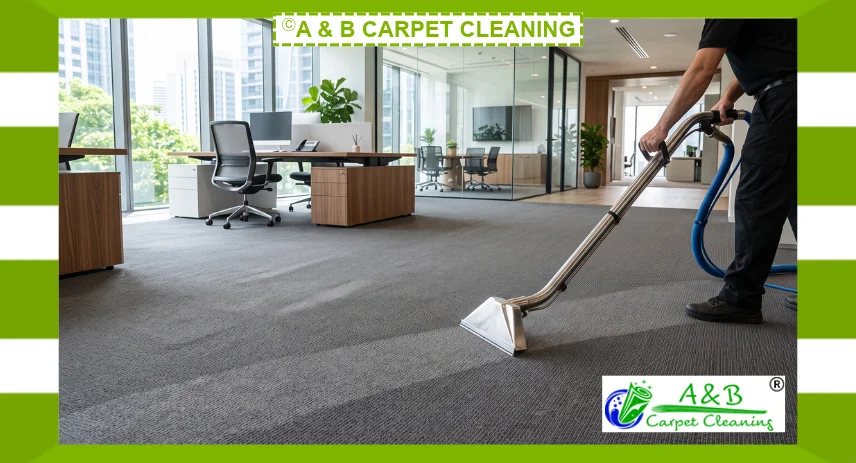
You can avoid having to shut down an office by breaking the floor into manageable sections and selecting a method that works for the carpet and has enough drying time before employees are back in. Busy entrances and common corridors, walking routes protected and deeper cleaning after working hours where possible.
For office managers, the goal is not simply cleaner flooring. Workstations, meeting schedules, equipment, and visitor access all affect the plan. A&B Carpet Cleaning explains how busy Brooklyn businesses can prepare for service, maintain carpets between visits, and decide when a practical professional cleaning schedule makes sense.
Why Office Carpet Cleaning Needs a Plan
An office does not soil evenly. Reception areas collect outdoor grit, break rooms develop food spots, and private offices usually see lighter use. Cleaning everything on the same schedule can waste time or leave the busiest areas looking worn.
The Carpet and Rug Institute recommends maintenance programs based on the use of the carpet, the amount of soil to which it is exposed and the manufacturer’s instructions. That approach makes commercial carpet cleaning for offices easier to coordinate around daily operations.
Plan the Cleaning by Office Zone
The table below matches office areas with their practical cleaning windows.
|
Office Area |
Main Concern |
Scheduling Approach |
|
Reception and entrances |
Tracked-in grit |
Clean after visitors leave |
|
Shared corridors |
Constant foot use |
Work in sections, keep another route open |
|
Meeting rooms |
Food spills and chairs |
Schedule between bookings |
|
Workstations |
Furniture and cables |
Arrange access before staff leave |
|
Break rooms |
Food and drink residue |
Clean after closing |
Choose a Method That Fits Business Hours
Low-Moisture Interim Cleaning
Some approved interim methods use limited liquid to improve appearance between deeper cleanings. They may be useful for offices that need faster access to a treated zone. However, low-moisture cleaning does not replace extraction when soil has accumulated deeper in the carpet.
Hot-Water Extraction
Hot-water extraction applies an approved solution and removes soil with suction. It may be suitable for deeper buildup, but it needs careful moisture recovery and drying. Carpets, backing, indoor humidity, and equipment performance all affect when the area can reopen.
The right commercial office carpet cleaning method depends on the material, soil level, and how long the office can keep a section unavailable.
Prepare the Office Before Cleaners Arrive
A little preparation prevents avoidable delays. Share the floor plan, identify heavily soiled areas, and agree on a cleaning order before anyone moves equipment.
-
Protect equipment: Clear loose cables and small items from treatment area Ask staff to clear out under desk items
-
Access confirmation: Set up keys, building permissions, elevator access, and any security procedures needed for after-hours work.
-
Locate the spots: For an initial assessment look for coffee spills, entrance build-up and recurring stains.
-
Inform staff: Let workers know which rooms will be off limits and when they can return after drying.
Do not assume that moving heavy desks or disconnecting computers is part of the cleaning appointment. Agree on responsibilities beforehand.
Keep Walkways Safe While the Carpet Dries
Even when cleaning takes place after closing, someone may need access to an elevator, exit, or restroom. Keep a clearly marked, dry, usable route open and restrict entry to freshly treated sections.
The New York State Office of General Services notes strong water extraction is important, saying damp footwear transitioning from carpet to hard flooring is a slip hazard. Its guidance helps you plan for drying, warning signs and safe access.
Don’t give a time for reopening. Do not remove safety signs or barriers until the carpet is dry. Check the carpet and follow the cleaner’s instructions for drying.
Daily Maintenance vs. Professional Service
Office staff will vacuum, keep entrance mats clean and respond quickly to clean up spills with approved products. These jobs prevent the buildup of dry grit and sticky residue.
Professional business carpet cleaning can also be helpful in cases where a larger area needs to be treated in a coordinated way, where deeper cleaning is necessary, or where special equipment is required. The provider can assess the carpet type and decide which areas need temporary cleaning and which need more thorough extraction.
The secret to a clean commercial carpet is not to have periodic deep cleaning take the place of day-to-day care, but to have regular maintenance in between appointments.
Set Cleaning Frequency by Actual Use
There is no single schedule for every office. A small appointment-only workplace differs from a busy customer-facing building. Review carpet appearance, entrance soil, seasonal weather, and how quickly spots return.
The CRI commercial maintenance standard distinguishes routine vacuuming, interim cleaning, and periodic deep cleaning. Review the plan after busy seasons and adjust only the areas that need additional attention.
5 Mistakes That Disrupt Office Cleaning
These types of decisions can delay a re-opening or lead to inconsistent results.
-
Booking during peak activity: Less drying time and cleaning around meetings is problematic.
-
Ignoring access to the building: Work is blocked due to lack of keys or restrictions on elevator access.
-
Treat every room the same way: Busy entrances often require a different approach than private offices.
-
Overlooking drying time: Damp carpet may not be ready when employees return.
-
Not vacuuming regularly: If you don’t do regular care embedded grit is harder to remove.
When Professional Planning Is Worth It
Before hiring a commercial carpet cleaning business, ask how it handles furniture, stain assessment, cleaning zones, equipment access, and drying. A provider should explain which areas can stay open and which need temporary restrictions.
For multi-floor offices or frequent visitors, this conversation can prevent conflicts and improve each visit.
Keep Your Brooklyn Office Ready for Work
A&B Carpet Cleaning offers professional carpet care for businesses in Brooklyn and the surrounding areas. We have over 30 years of experience and can view your busy office flooring and talk about cleaning around your operating schedule.
Learn more about our commercial cleaning service and options. Call us at (718) 431-8484 or visit one of our service areas to get a free estimate and discuss a practical cleaning plan.