

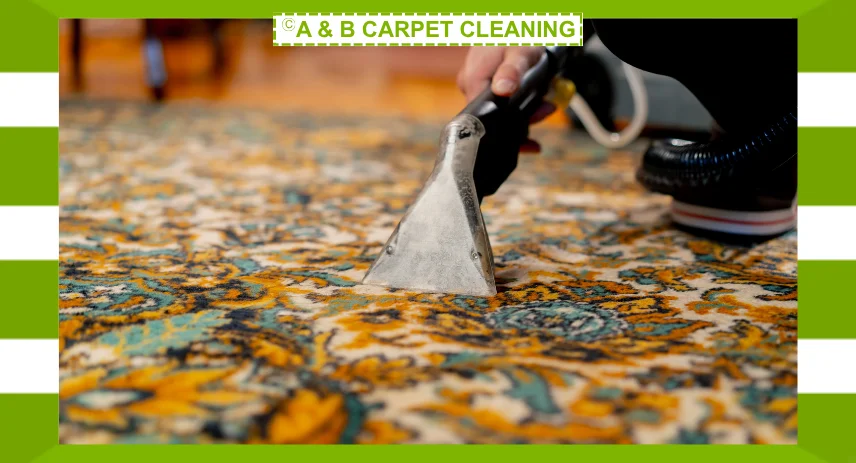
A beautiful rug is more than just a way to cover the floor. It's a focal point that ties a room together, feels great underfoot, and costs a lot of money. But dirt, allergies, and spills from everyday life make it less beautiful. When it's time for a new rug cleaning, it's important to know how to get the best service. The wrong method can cause irreversible damage, especially to delicate heirlooms or precious silks.
A and B Carpet Cleaning's tips are meant to help you understand the process better. We'll talk about how to care for different kinds of rugs, answer common questions, and help you decide when it's best to hire a professional rug cleaning service to keep your rug safe.
What Are the Essential Needs For a Rug Cleaning Service?
Not all rugs are created equal, and neither are their cleaning requirements. The fibers your rug is made from dictate everything from the cleaning solution to the technique used.
-
Silk & Delicate Rugs: Silk rug needs to be cleaned with a mild, pH-neutral cleaner and never be too wet. For these rugs, professional cleaning is almost always recommended to avoid catastrophic damage.
-
Wool Rugs: A harsh wool rug cleaning solution can strip its natural lanolin, making it feel brittle. It needs mild, wool-specific detergents and controlled drying to prevent felting or shrinkage.
-
Oriental & Persian Rugs: Their complicated dyes can run, and if you wet them the wrong way, their base can become weak. It's fine to vacuum a little, but it's best to let the professionals do a deep clean.
-
Synthetic Rugs: It is easiest to clean synthetic rugs made of nylon, polyester, or olefin. They can usually handle stronger cleaning products and methods, like light steam cleaning.
Steps For Professional Rug Clean Service
You can clean your own rugs, but a professional rug clean service will do a much better job than you can. The method is safe and meant to keep things safe.
-
Inspection & Testing: First, professionals find out what kind of fabric the rug is made of and test the dyes to see if they will stay the same color.
-
Dusting: Rugs, especially oriental ones, can hold a lot of dirt deep in their bases. Before the washing begins, professionals use special tools to get rid of this grit.
-
Soil and Stain Pre-Treatment: Experts take extra care with certain issues, like pet stains or wine spills.
-
Cleaning: The method is chosen based on the rug. for help. This may require to wash the rug by hand with very little water.
-
Drying: Proper drying a rug removes all detergents and residue.
-
Grooming & Finishing: The fibers are groomed to restore their quality and any final touches are applied.
DIY vs Professional Rug Clean Service
Cleaning a rug at home could be a good attempt, but it’s good to know the safety measures. Here’s a comparison between professional area rug cleaning and cleaning a rug at home:
The DIY Approach:
-
Best For: Small, synthetic rugs or routine maintenance.
-
The Risks: Over-wetting, using harsh chemicals, improper drying, and accidentally setting stains or causing dyes to bleed.
The Professional Approach:
-
Best For: Heirloom, delicate, large, or valuable rugs, rugs with set-in stains or odors, or when you want a guaranteed, deep clean.
-
The Benefits: They have experience, industrial-grade tools, know how to dry things properly, and stand behind their work.
Frequently Asked Questions
It's not usually a good idea. Dish soap and vinegar are two common DIY cleaning products that can be too acidic or rough on wool.
For surface dust, gently vacuum on a low setting with no beater bar. For spills, immediately blot (never rub) with a clean, white, damp cloth.
The best way to keep your home clean is to vacuum it often and gently (without a beater bar) and to pick up spills right away.
Some dry cleaners do clean rugs, but they don't do it all the time. Always ask them how much experience they have with the type of rug you have.
For places with a lot of foot traffic, every 12 to 18 months is best. If you don't have kids or pets and don't use the area very often, you might only need to clean your rugs every two to three years.